
How Do I Find Formal Dresses for Older Women?

Formal dresses for older women who are petite and plus-size are easiest to fit when you choose for your bust, waist, hips, shoulders, and torso rather than height or a size label alone. Look for a close fit with room to move, then check the shoulder and waist placement, skirt volume, hem allowance, and alteration needs before buying. Dressy flats or low, stable heels can work with a hem adjusted to clear the floor.
Where can I find a formal dress if I’m short and plus-size?
Start with dresses sold in petite or plus-size ranges, then judge each garment by its actual measurements and construction. A label is a starting point, not a fit guarantee. Check the bust, waist, hips, shoulder width, torso length, and skirt length against your own measurements.
A study published in the International Journal of Clothing Science and Technology compared petite and regular measurements using SizeUSA data and examined sizing charts from 14 apparel companies. It identified four petite body types, including plus-size petite, and found that industry sizing systems generally represented petite women inaccurately except for stature. Its sample was women aged 18 to 35, so it is evidence about apparel sizing, not an age-specific study of older women.
The practical lesson is direct: “petite” usually signals stature, not a complete account of shape. ASTM International’s D7878/D7878M-23 standard likewise includes petite measurements across sizes 00P through 20P and recognizes Curvy and Straight subcategories on certain measures. Compare the garment’s measurements with yours; do not assume every petite-plus dress will place its waist, shoulders, and bust in the right spots.
Online, consult the item’s garment measurements and return terms before ordering. This guide to choosing a women’s dress size online can help frame the comparison. For an event such as a wedding, the occasion also shapes the choice; see what a grandmother might wear to a wedding.
How do I keep a formal dress from looking too long or oversized on a petite frame?
Keep the shoulder seams near the shoulder edge, the waistline close to your natural waist, and the skirt’s fullness proportionate to your frame. These checks address the “big-sister’s-clothes” effect: a dress can be technically wearable and still look borrowed when its key proportions sit too low or extend too far.
University of Kentucky Cooperative Extension advises choosing garments close to the wearer’s body proportions, with ease but not excessive fullness. Too much looseness can look bulky and can make dressing or movement harder. Stretch fabrics and knits can accommodate changes in body structure more comfortably than many woven fabrics, though fabric choice should still suit the event and the dress design.
Before buying, inspect the seams and hem. South Dakota State University Extension says length and width changes are generally easier when enough fabric is available, while neckline, shoulder, and armhole changes are often difficult and time-consuming. Check that the fabric can be unpicked and restitched, and that the hem has enough allowance to let down or remark.
Think through the whole alteration plan rather than pricing one change in isolation. A waist adjustment can affect the skirt’s hang; shortening a skirt can change the balance of its design. The Extension cautions that one alteration can lead to another and that refitting may add considerably to the cost. Small changes in several areas tend to preserve the original design lines better than one large reshape.
| Fit check | What to look for | Why it matters |
|---|---|---|
| Shoulders | Seams sit close to the shoulder edge | Shoulder changes are often difficult to make |
| Waist and torso | Waistline matches your proportions | A misplaced waist can make the dress feel borrowed |
| Skirt | Enough room to move, without excess fullness | Too much volume can look bulky |
| Hem | Enough fabric to adjust the length | Length changes are easier when allowance is available |
What dress styles work for an older woman who is short and can’t wear heels?
A formal dress with a controlled skirt and a tea-length or properly shortened hem works well with flats or a low, stable heel. Choose the shoe first or bring it to the fitting so the hem is set for the height and shape of the footwear, not for an imagined heel.
The University of Kentucky Cooperative Extension specifically recommends tea-length hemlines for women’s formal wear rather than ankle- or floor-length hems when mobility and safety are concerns. A shorter hem can reduce fabric around the feet. If you prefer a longer skirt, have it checked while wearing the shoes planned for the event so it does not drag or catch underfoot.
Footwear should support the plan. The CDC’s STEADI guide says to wear sturdy shoes with low heels, traction, and strong arch and heel support. It advises avoiding heels over 1 inch, narrow heels, smooth soles, shoes without ankle support, mules or clogs without backs, and strappy slingbacks. A broad or flared heel, textured sole, thin firm midsole, and secure laces or straps can improve stability.
Fit matters inside the shoe, too. The CDC recommends measuring both foot length and width and choosing a wide toe box when needed for bunions or hammertoes. A dressy flat is not automatically stable: check that it stays on the foot, has a textured sole, and feels secure while walking.
For reusability, prioritize a shape and color that can serve more than one event, then vary accessories or a wrap where the occasion allows. In a Gransnet wedding-outfit discussion, commenters raised the difficulty of finding clothes for short-and-plump proportions, avoiding a big-sister’s-clothes look, and choosing something usable again. Those concerns point back to fit and versatility: a well-proportioned dress is easier to wear again than a highly specific look that depends on extensive alterations.
Frequently Asked Questions
Should I buy a larger dress and have it altered to fit?
Buy the size and design closest to your proportions rather than choosing a much larger dress as a shortcut. Small changes across several areas can preserve the original lines better than a major reshape, while shoulders, neckline, and armholes are often difficult to alter.
Which alterations are worth paying for on a formal dress?
Prioritize fit changes that affect comfort, proportion, and movement, such as adjusting the hem or refining the waist when the garment has enough allowance. Check all likely changes together: one alteration can create the need for another, and tailoring adds to the garment’s total cost.
How do I choose a dress length that works with flats?
Try the dress with the exact flats you plan to wear, then set the hem so it clears the floor without bunching or dragging. A tea-length hem is another option; University of Kentucky Cooperative Extension recommends tea length over ankle- or floor-length formal wear when mobility and safety are concerns.
Sources
You may also like

How Do I Choose the Right Women's Dress Size at Macy's Online?
A measurement-first system for choosing a Macy's dress size across brands, fabrics, silhouettes, fit tools, and return options.
How Do I Choose a Modern Dress I Will Actually Wear?
Choose a trend-led 2026 dress with a practical test for fit, layers, styling, and expected wears so it becomes a repeat piece.

Clearance Jewelry: Buy Better Pieces Without Paying Full Price
A practical clearance-jewelry guide to material marks, durability, skin concerns, and return terms before you buy.
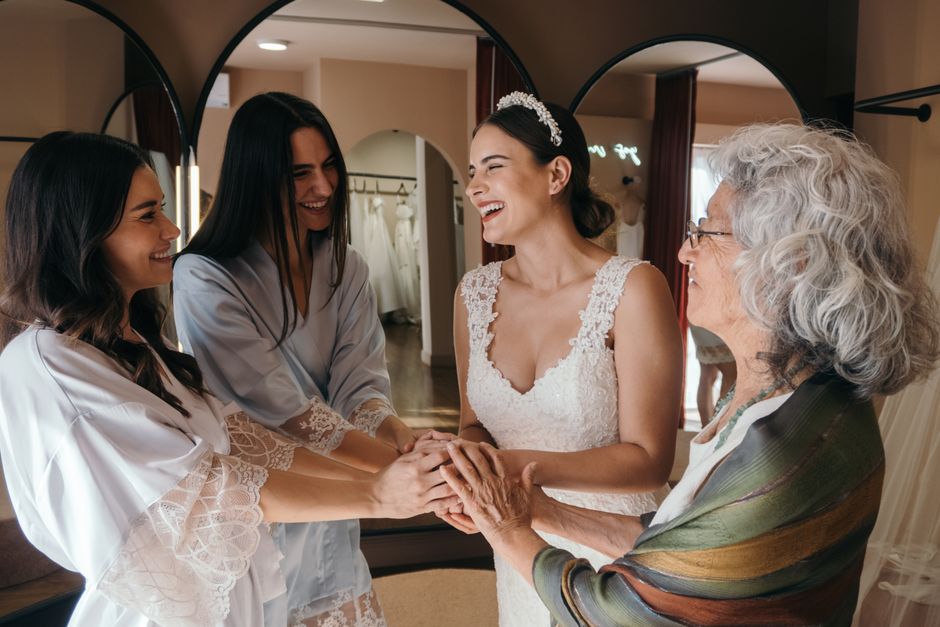
What Should a Grandmother Wear to a Wedding?
Choose wedding attire by dress code, setting, color, and comfort—not by outdated age-based rules.