
How Do Laser Liposuction Before and After Photos Compare?
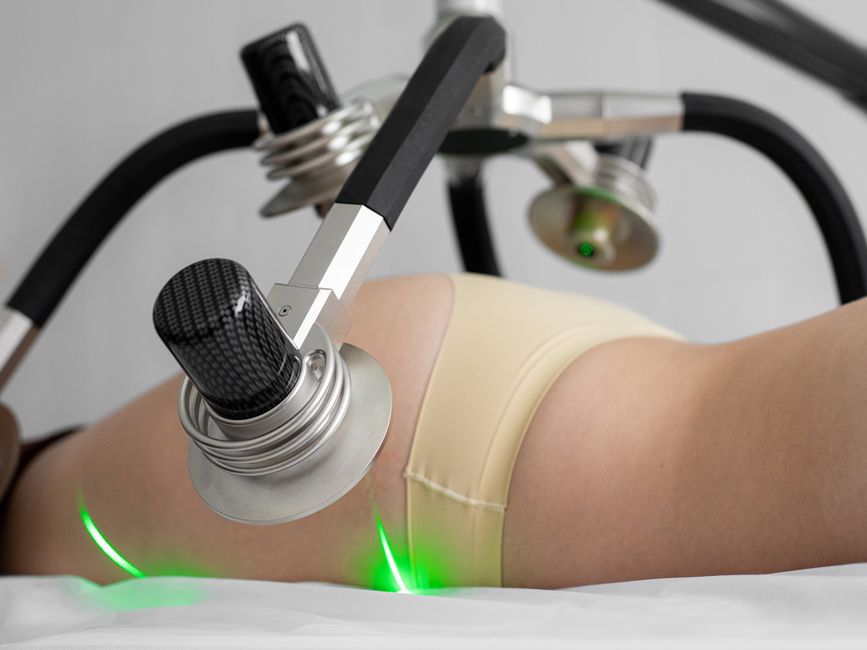
Laser liposuction before-and-after photos are most useful when they show the same treatment area, pose, posture, camera distance, lighting and angle at clearly stated points in recovery. Early swelling, bruising, fluid retention or firmness can hide the contour; changes often take months to settle. Compare people with similar starting contours, and ask the surgeon how the procedure and timing affect each result.
How long after laser liposuction do before-and-after results become clear?
Laser liposuction results become clearer as swelling and fluid retention decrease, a process that can take several months. The American Society of Plastic Surgeons says swelling can obscure the new contour and may take several months to fully subside. The Cleveland Clinic gives a more specific range: swelling may take three to six months to go away completely, and complete healing can take up to six months.
Those timelines describe different points in recovery, not a promise that every person will look settled on the same date. The American Society of Plastic Surgeons also reports that swelling commonly starts to ease by the end of the first week, can persist for six weeks, and that final results can take one to three months depending on the amount removed. These descriptions make early images useful for documenting recovery, but poor evidence of the final contour.
A small study by Prado and colleagues assessed postoperative photos at 3–5 days, 12–15 days and 6–11 months. Its schedule shows how much the stage of recovery matters when comparing images. The study included 25 patients and found no major clinical differences between laser-assisted and suction-assisted lipoplasty; its small sample and older technique do not predict an individual result.
| Recovery stage | What a photo may show | How to read it |
|---|---|---|
| First days | Swelling, bruising and soreness | Record the starting recovery appearance; do not treat it as the settled contour. |
| First weeks | Swelling may begin to ease, while fluid retention or unevenness remains visible | Compare only with images from a similar stage. |
| Following months | Contour becomes easier to assess as swelling decreases | Use the surgeon’s follow-up schedule and note the date of each image. |
| Three to six months | Swelling may continue to resolve; complete healing can take up to six months | Ask the surgeon how to interpret the result at this stage. |
Why does my stomach look more swollen or lumpy after laser lipo?
A stomach can look temporarily larger, swollen or uneven after laser lipo because swelling and fluid retention obscure the new contour during recovery. The American Society of Plastic Surgeons notes that a treated area can look bloated rather than slimmer for a short time. Swelling, bruising and soreness are expected recovery signs according to the Cleveland Clinic.
Firmness or an uneven appearance in an early photo does not, by itself, establish what the final result will be. The timing matters: a photo taken days or weeks after treatment shows a different recovery stage from one taken months later. Ask the surgeon to assess symptoms or unevenness that concern you, and follow the surgeon’s recovery instructions.
The technique also matters when interpreting a photo. The supplied research describes laser-assisted liposuction and laser lipolysis without suction as distinct approaches; photos cannot establish which procedure was performed. Ask whether fat was suctioned or laser-treated without suction, what area was treated, and when the images were taken.
One study of 57 patients treated for localized fat under the chin and mild-to-moderate skin laxity reported edema, soreness and bruising among the complications, along with one seroma that required aspiration. Its findings concern the lower face and neck, not the abdomen, so they cannot establish what a stomach result should look like. Report concerning symptoms to the treating surgeon rather than using another person’s image to diagnose them.
How can I tell whether before-and-after photos show a realistic result?
Realistic before-and-after photos make the comparison conditions clear and keep them consistent. The American Society of Plastic Surgeons advises checking lighting, camera distance, image scale, pose, posture and angle. Small changes in body rotation or camera angle can alter the apparent contour, so a dramatic-looking pair is hard to judge when the setup differs.
Use a practical checklist. Look for:
- Matching views: compare front with front, profile with profile, and three-quarter with three-quarter.
- Matching setup: check posture, pose, body rotation, lighting, camera distance and image scale.
- Matching areas: confirm both photos show the same treated area and that the person’s starting contour is comparable.
- Clear timing: check the dates or recovery intervals; a six-week image and a one-year image do not represent the same stage.
- Procedure details: ask whether fat was removed with suction, treated without suction, or treated with another approach.
Standardized images reduce distractions. They do not erase differences between patients. The Cleveland Clinic says outcomes vary with the amount of fat removed and the treatment area, and identifies firm, elastic skin and good muscle tone as candidate factors. The American Society of Plastic Surgeons also notes that liposuction does not correct loose skin, so skin laxity and elasticity affect how a result appears.
Starting contour matters too. A before photo that shows a different body area or a different baseline cannot support a fair comparison with your own expected result. Liposuction targets fat in specific areas; it is not a weight-loss procedure. The American Society of Plastic Surgeons says maintaining stable weight and fitness helps preserve results, while the Cleveland Clinic notes that remaining fat cells can enlarge with weight gain.
At follow-up, take repeat photos using the same views, posture, lighting, camera distance and image scale where possible. Keep the date with each image. Bring questions about the treated area, the procedure used, the recovery stage and any unevenness or symptoms you notice. A consistent photo record helps distinguish a change in the image setup from a change in the treated contour.
Frequently Asked Questions
Do laser liposuction before-and-after results look different for men?
The same comparison rules apply: match the treatment area, starting contour, pose, posture, lighting and timing. Outcomes vary with the area treated and the amount of fat removed, so photos of men are most informative when those factors are similar.
What should I compare in photos besides weight loss?
Compare the contour of the treated area, the view and angle, posture, lighting, camera distance and image scale. Check the photo dates and whether both images show the same treatment area; liposuction targets fat in specific areas rather than serving as a weight-loss procedure.
Can early photos predict my final laser lipo result?
Early photos cannot show the settled contour reliably because swelling and fluid retention can obscure it. The Cleveland Clinic says swelling can take three to six months to go away completely, so compare images by recovery stage and ask the surgeon about changes that concern you.
Sources
- American Society of Plastic Surgeons: Liposuction Results
- Cleveland Clinic: Liposuction
- American Society of Plastic Surgeons: Reading Before-and-After Photos
- Prado et al., Plastic and Reconstructive Surgery (PubMed)
- Study of 1440-nm Nd:YAG Laser-Assisted Liposuction (PubMed)
- American Society of Plastic Surgeons: What to Expect After Liposuction
You may also like

How Do I Choose a Modern Dress I Will Actually Wear?
Choose a trend-led 2026 dress with a practical test for fit, layers, styling, and expected wears so it becomes a repeat piece.

Clearance Jewelry: Buy Better Pieces Without Paying Full Price
A practical clearance-jewelry guide to material marks, durability, skin concerns, and return terms before you buy.

Can AI Really Read Your Emotions and Behavior?
What AI can infer from faces, voices, and movement, where it fails, and how to challenge high-stakes behavior scoring.
Will Robots Make Life Better or Worse for Most People?
A practical guide to robot benefits, safety, privacy, care evidence, cost decisions, and changing jobs.