
Which vitamins that lower cortisol actually work?
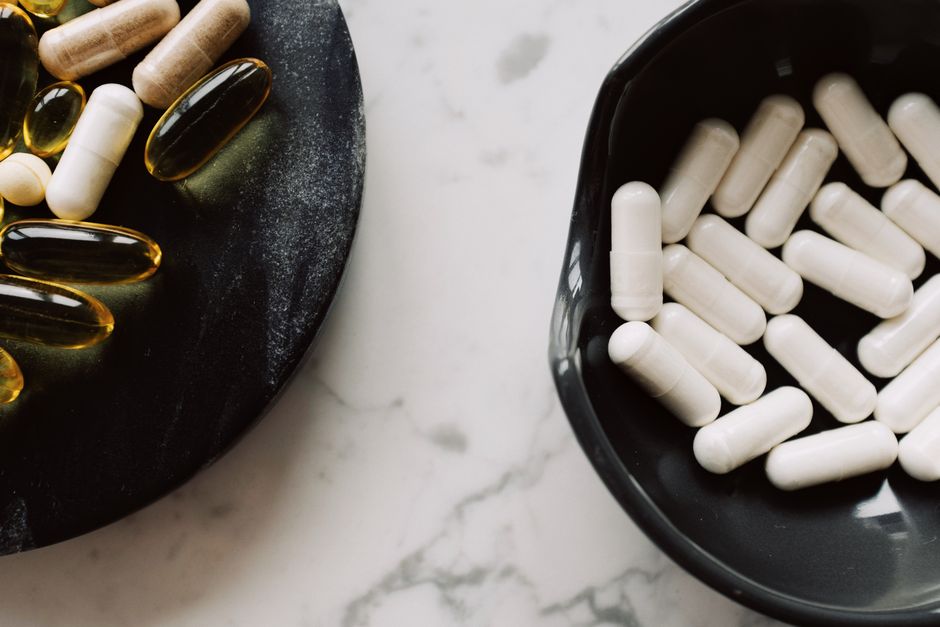
Vitamins that lower cortisol have not been shown to work reliably for everyone. Research on vitamin C found no cortisol effect after acute exercise, while a small vitamin D trial found a decrease only among participants who were deficient. Evidence for B vitamins is also insufficient. A sensible next step is to discuss symptoms and possible deficiencies with a clinician before choosing a supplement.
Do any vitamins actually lower cortisol, or is that a supplement marketing claim?
No vitamin has strong evidence showing that it reliably lowers cortisol in people generally. A product label or marketing claim can make a broad promise from a narrow finding; the study population, outcome measured, and circumstances matter.
Cortisol is not a fixed reading. It changes across the day, and the Endocrine Society’s guidance treats suspected Cushing syndrome as a clinical question, not something established by common symptoms or a single random blood result. The guideline advises against using random serum cortisol or plasma ACTH as an initial screening test.
That distinction changes how to read supplement claims. A measured change under a specific condition does not prove a lasting benefit in everyday life. Nor does a reduction in one hormone measure establish improvement in stress, sleep, weight, or health.
Vitamin research also differs by nutrient and by who was studied. The evidence below points to possible relevance when deficiency is present, but it does not support taking a vitamin as a general cortisol blocker.
Does vitamin C reduce cortisol, and does the evidence apply outside intense exercise or acute stress?
Vitamin C did not reduce cortisol in a meta-analysis of acute exercise studies, and those results do not establish its effect during ordinary daily life or chronic stress. The review, published in the European Journal of Nutrition and indexed by PubMed in 2020, included 18 randomized controlled trials with 313 healthy participants following a single bout of exercise.
The researchers found changes in some measures of lipid peroxidation and interleukin-6 after exercise, but no effect on cortisol. Those are separate outcomes. A finding about inflammation or oxidative stress cannot be recast as evidence that vitamin C lowers cortisol.
The boundary matters. The review examined an acute exercise response, not a long-term treatment for persistently high cortisol. It cannot answer whether vitamin C changes cortisol in every other setting, and it does not support a general promise of cortisol reduction.
So the direct answer is narrow: this evidence does not show vitamin C lowering cortisol after acute exercise. It also does not establish an effect outside that setting. The PubMed record for the meta-analysis makes the measured outcome and population clear.
Can vitamin D or B vitamins lower cortisol if I’m not deficient?
Current findings do not show that vitamin D or B vitamins lower cortisol in people who are not deficient. The available vitamin D trial reported a decrease only among participants who were deficient at baseline.
In a randomized, double-blind trial published in the European Journal of Sport Science and indexed by PubMed in 2020, 46 active men received vitamin D3 or placebo for 12 weeks. The cortisol decrease was statistically significant only in the vitamin D group participants who had vitamin D deficiency at the start. The small, specific study does not establish a benefit for people with adequate vitamin D, and its authors called for more research.
A separate study does not support a simple B-vitamin claim. In a double-blind placebo-controlled study published in Nutrients in 2013, 138 adults aged 20–50 took a B-vitamin-containing multivitamin or placebo for 16 weeks. The multivitamin was associated with a near-significant trend toward an increased cortisol awakening response at the end, not a demonstrated decrease; perceived stress did not differ significantly between groups.
The multivitamin also contained other vitamins, minerals, and botanicals. Its results cannot identify B vitamins as the cause. Taken together, these studies make deficiency a relevant question, not proof that supplementation lowers cortisol for everyone. The vitamin D trial and the multivitamin study describe specific groups and outcomes.
How do I tell vitamins apart from herbs and other supplements marketed for cortisol?
Read the ingredient list: a dietary supplement is not necessarily a vitamin. The NIH Office of Dietary Supplements says products may contain vitamins, minerals, herbs or other botanicals, amino acids, and other ingredients. A blend sold with a cortisol-focused name can combine several categories.
In the United States, the FDA does not approve dietary supplements for safety or effectiveness before they are sold, according to the NIH Office of Dietary Supplements. Labels list ingredients and amounts per serving, while structure/function claims do not require FDA approval before marketing. A claim on a package is not the same as clinical evidence that the product lowers cortisol.
A practical label check keeps the decision concrete:
- Active ingredients: identify every vitamin, mineral, herb, botanical, amino acid, and other ingredient rather than relying on the front label.
- Amount per serving: check the listed quantity for each ingredient and whether the product combines multiple sources of the same nutrient.
- Quality information: look for clear product and quality-testing details; a marketing claim alone does not establish effectiveness or safety.
- Personal factors: review possible interactions with medications and discuss pregnancy or other relevant health circumstances with a clinician or pharmacist.
This check does not prove that a product works. It helps distinguish a single nutrient from a multi-ingredient formula and gives a health professional the information needed to review it. The NIH explains what supplement labels and claims mean.
For a safe next step, begin with the concern rather than the product. If symptoms are ongoing or progressive, a clinician can review the pattern and medication history, including prescribed corticosteroid exposure, which the Endocrine Society identifies as a common cause of Cushing syndrome. Testing is generally considered when multiple progressive features raise suspicion; ordinary, nonspecific symptoms alone do not establish the diagnosis.
If deficiency is plausible, ask whether assessment is appropriate before taking a high-dose supplement. The supplied evidence does not show that unnecessary doses lower cortisol, and a supplement’s vitamin label does not make it risk-free. The useful distinction is between correcting a demonstrated need and treating a hormone claim.
Frequently Asked Questions
What tests should I ask about if I’m worried my cortisol is high?
Testing depends on symptoms and medical history. The Endocrine Society recommends considering testing when multiple, progressive features suggest Cushing syndrome and lists repeated 24-hour urinary free cortisol, repeated late-night salivary cortisol, or an overnight dexamethasone suppression test as initial options; a random serum cortisol is not recommended as an initial screen.
When should I seek medical care instead of trying a supplement?
Seek clinical assessment for persistent or progressive symptoms, especially when several changes are occurring together. A clinician can review your history, including corticosteroid exposure, and decide whether testing is appropriate; common nonspecific symptoms alone do not establish high cortisol.
Can cortisol-lowering supplements interact with medications or cause side effects?
They can raise safety questions because products may combine vitamins, minerals, herbs, and other ingredients, and their contents vary. Review the full label with a clinician or pharmacist, especially if you take medication or are pregnant, before starting a product.
Sources
- European Journal of Nutrition / PubMed: Effects of vitamin C on oxidative stress, inflammation, muscle soreness, and strength following acute exercise
- European Journal of Sport Science / PubMed: Effects of vitamin D3 supplementation for 12 weeks on serum levels of anabolic hormones, anaerobic power, and aerobic performance
- Nutrients / PubMed Central: The Effects of Multivitamin Supplementation on Diurnal Cortisol Secretion and Perceived Stress
- Endocrine Society: Diagnosis of Cushing's Syndrome Guideline Resources
- NIH Office of Dietary Supplements: Background Information on Dietary Supplements
Disclaimer: This article is for general information only and is not medical advice. It is not a substitute for diagnosis or treatment by a qualified healthcare professional. Always speak to your doctor before acting on anything you read here.
You may also like

How Do I Choose a Modern Dress I Will Actually Wear?
Choose a trend-led 2026 dress with a practical test for fit, layers, styling, and expected wears so it becomes a repeat piece.

Clearance Jewelry: Buy Better Pieces Without Paying Full Price
A practical clearance-jewelry guide to material marks, durability, skin concerns, and return terms before you buy.
What Triggers AFib Episodes, and Do I Need to Avoid Coffee, Exercise, or Food?
An evidence-aware guide to finding personal AFib triggers without reflexively avoiding coffee, exercise, or everyday foods.