
How Do I Become a Volunteer Police Chaplain in Texas?
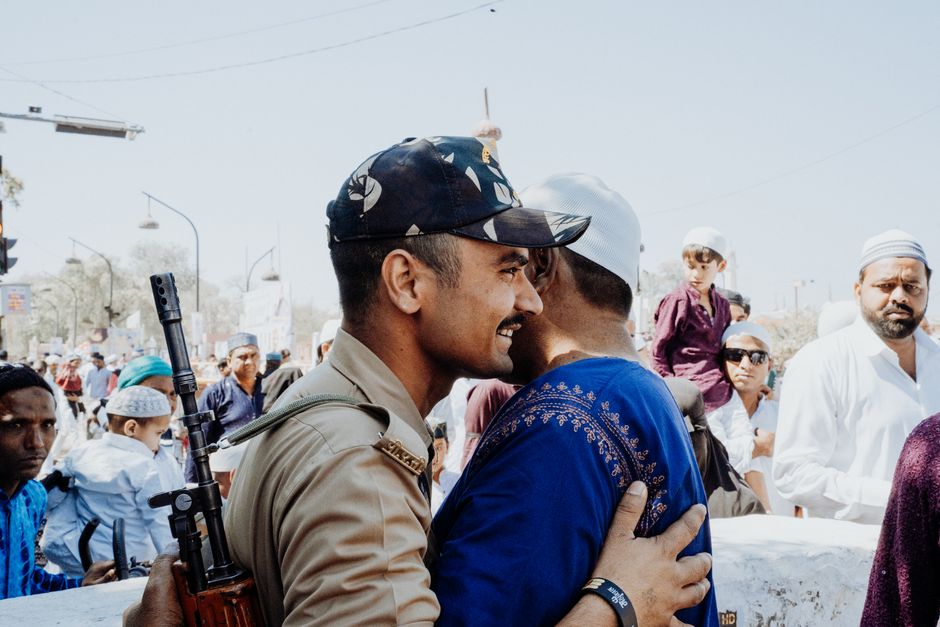
To become a volunteer police chaplain in Texas, find a local department program and check its eligibility rules, then submit its application and complete the required screening, orientation, and training. Requirements vary: Houston’s PACA accepts clergy and lay volunteers, while Plano and Waco require substantial ministry or chaplain experience. Expect background checks, defined service commitments, and clear limits on your role.
How do I become a volunteer police chaplain in Texas?
Start with the police department serving your area and ask whether it has a chaplaincy or clergy-volunteer program. There is no single statewide path in the sources reviewed: each city sets its own eligibility, screening, training, and service rules.
Houston offers a broad entry point. The Houston Police Department’s Police and Clergy Alliance (PACA) welcomes clergy and lay people from diverse faiths who agree to follow City ordinances and department policies. Applicants submit an application and attached forms by email, along with a copy of a current driver license.
Other departments set narrower criteria. Plano generally requires applicants to be current or retired clergy recognized by a religious body, with at least five years of active ministry. It allows an alternative route for applicants with at least three years’ prior experience as a police, fire, military, or hospital chaplain. Waco requires recognized religious standing, ordination, and at least five years of pastoral experience.
Screening can be substantial. Plano requires a background check, a pre-polygraph interview, a polygraph, and approval by the program board and police chief. Waco describes an application screening process with criminal-history and background checks. The department’s volunteer page should spell out the steps; do not assume one city’s process applies elsewhere.
HPD’s general Volunteer Initiatives Program gives a sense of what a municipal screening process can involve: application, fingerprint and criminal-history checks, background investigation, mandatory orientation, identification issuance, and a placement interview. HPD estimates that process takes 3–6 weeks. That estimate applies to the general VIP process, not necessarily every PACA applicant.
| Program | Eligibility or entry detail | Training or service detail |
|---|---|---|
| Houston PACA | Clergy and lay volunteers from diverse faiths; application and current driver license copy | 16-hour academy, at least 8 hours of quarterly in-service training each calendar year, and at least 4 service hours per quarter |
| Plano | Generally five years of active ministry, or three years of specified chaplain experience; extensive screening | Basic certification within one year, five call-outs with an experienced chaplain, and an eight-hour ride-along |
| Waco | Ordained, recognized clergy with at least five years of pastoral experience | At least a two-year volunteer commitment |
| Odessa | Background check, interview, and orientation | Four-hour orientation; department describes basic certification as 12 online classes |
The comparison shows why the first practical task is local research. A clergy member who meets Plano’s requirements may qualify for a chaplain role there, while a lay volunteer may find a better fit in Houston PACA. Ask each department for current forms, eligibility criteria, time commitments, and the order of screening and training.
Do Texas police chaplains need prior ministry experience?
No single answer applies across Texas: some programs require years of ministry, while Houston PACA explicitly includes lay volunteers. Eligibility depends on the local program and the role it is recruiting for.
Plano’s general chaplain criteria call for five years of active ministry, with a separate route for people who have three years of prior service as a police, fire, military, or hospital chaplain. Waco requires at least five years of pastoral experience and ordination recognized by a religious body. These are meaningful thresholds, not informal preferences.
Houston PACA takes a different approach. Its membership includes clergy and lay people from a range of faiths, provided they agree to follow local ordinances and HPD policies. That makes the program a potential option for people who want to support police-community work but do not hold clergy credentials. It does not mean every chaplaincy role in Houston, or every Texas department, has the same open criteria.
Odessa and Longview describe requirements centered on ministerial credentials. Odessa’s published steps include a background check, an interview with the police chief or designee, and a four-hour orientation. Longview requires a fully ordained or licensed minister of a recognized church or denomination in the area, with a background check before selection.
Before applying, distinguish the label from the work. A “chaplain” position may require ordination and pastoral tenure; a clergy-police volunteer alliance may accept lay members for approved forms of service. Ask whether your experience fits the specific opening, what duties it covers, and whether the department offers a separate auxiliary role. Plano, for example, describes auxiliary chaplains as having a distinct, lighter orientation and call-out requirement.
What training is required before a police chaplain can respond to calls?
Training depends on the department, and some programs require supervised preparation before a volunteer can join an on-call roster. The curriculum can cover both chaplain duties and the practical rules for working safely around police operations.
Houston PACA requires every member to complete 16 hours of PACA Academy training and at least eight hours of quarterly in-service training each calendar year. Members also commit to at least four hours of volunteer service per quarter through an approved activity, which can include call-outs, mentoring, or ride-alongs. Training and service are continuing obligations, not a one-time orientation.
Plano sets a staged route for new chaplains. They must obtain International Conference of Police Chaplains basic certification within one year, complete five call-outs alongside an experienced chaplain, and finish an eight-hour ride-along before joining the on-call roster. These steps connect classroom or certification work with supervised exposure to the department’s operations.
Other cities describe different preparation. Odessa says its chaplains receive International Conference of Police Chaplains training and describes basic certification as 12 online classes. Longview lists radio procedures, basic defensive tactics, weapons familiarization without weapons use, local geography, first aid and CPR, and familiarization with police functions. These examples show that “training” can mean more than pastoral care; it can include communication, safety, and local protocols.
Ask what must be completed before a call-out, which costs or materials are the volunteer’s responsibility, and how often refresher training occurs. The provided department sources do not give a uniform statewide course, certification schedule, or cost. The local program is the authority on its own requirements.
Frequently Asked Questions
Do volunteer chaplains ride along with police officers?
Some programs include supervised ride-alongs. Houston PACA lists them as one approved volunteer service, while Plano requires an eight-hour ride-along before a new chaplain joins the on-call roster. In Plano, officers remain in charge and chaplains generally stay in the vehicle unless directed otherwise.
Can lay people join a police and clergy volunteer program?
Yes. Houston’s Police and Clergy Alliance is open to volunteer clergy and lay people from diverse faiths who agree to follow City ordinances and HPD policies. Other programs, including those in Plano and Waco, set clergy or ministry-experience requirements.
Does a police chaplain have police authority?
No. Plano states that chaplains are not commissioned sworn officers and must not be expected to respond with police authority. HPD likewise describes its volunteers as non-sworn and without the authority or duties of police officers.
Sources
- Houston Police Department — Police and Clergy Alliance (PACA)
- City of Plano Police Department — Volunteer Police Chaplaincy Program Administrative Directive 101.013
- City of Waco Police Department — Police Chaplains
- Odessa Police Department — Police Chaplain Program
- Longview Police Department — Chaplain Program
- Houston Police Department — Volunteer Initiatives Program
You may also like
Can a Police Chaplain Badge Give You Access or Authority?
Learn what a law-enforcement chaplain badge identifies, when it may permit scene access, and why it does not grant police powers.
How Can I Use a Workplace Chaplain, and What Stays Confidential?
Learn how workplace chaplain visits work, what confidentiality can cover, and when a chaplain may need to share information.
How Do I Arrange a Hospital Chaplain Visit?
Learn how to request hospital chaplain support, protect a patient’s wishes and privacy, and arrange faith-specific or nonreligious care.

How can a church create ethical business sponsorships for an outreach event?
A practical guide to church event sponsorships: find aligned partners, write a clear proposal, set recognition boundaries, and report outcomes.