
Does Liposuction on Arms Last?
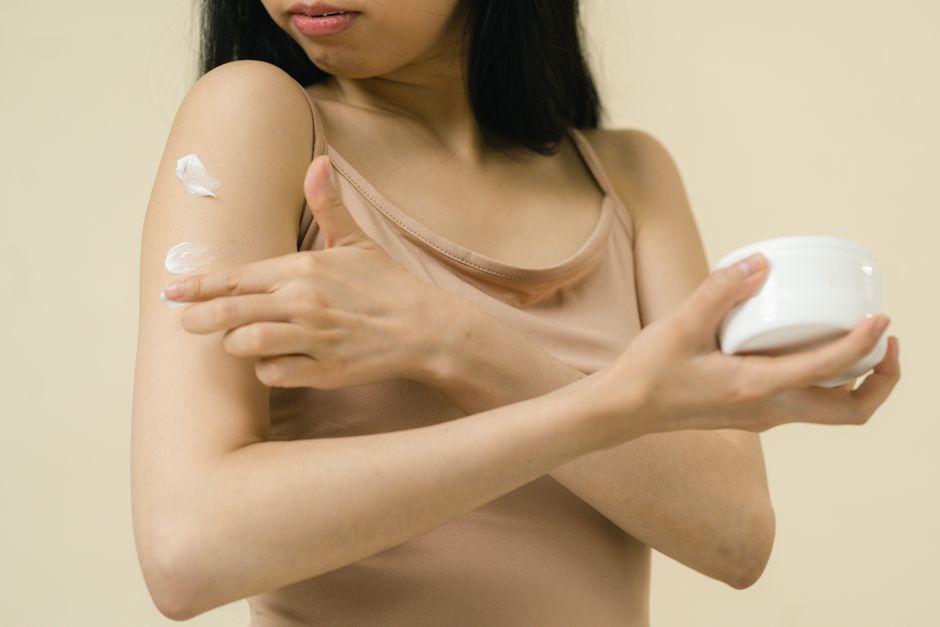
Does liposuction on arms last? Usually, the contour change can be long-lasting when weight stays stable, because treated fat cells are removed. The remaining fat cells can still enlarge with weight gain, and aging can reduce skin firmness. The best fit depends on skin elasticity: liposuction targets localized fat, while an arm lift removes excess skin.
Are the fat cells removed from my arms gone permanently?
Fat cells removed by liposuction are gone from the treated area, but that does not make the arm’s shape immune to change. The result depends on what remains: untreated fat cells can still grow, and the skin and tissues continue to age.
The American Society of Plastic Surgeons (ASPS) says liposuction results are long lasting when a patient maintains stable weight and general fitness. That describes a condition for durability, not a promise that the arm contour will stay identical forever. In practical terms, the procedure changes the amount of fat in a targeted area; it does not stop future weight changes or aging.
One study offers a useful boundary on what can be concluded. Hernandez and colleagues studied 32 nonobese women; among the 14 who received small-volume liposuction, body-fat percentage initially fell by 2.1% at six weeks, but the difference from controls was no longer statistically significant at one year. The study did not examine arms, so it cannot predict arm-specific results. It does underscore why removing fat in one location should not be treated as a guarantee against later changes elsewhere.
Can arm fat come back if I gain weight after liposuction?
Yes, the arms can become fuller again if you gain weight, because fat cells that remain can enlarge. Liposuction removes some cells; it does not prevent the rest of the body’s fat cells from storing more fat.
ASPS frames stable weight and general fitness as central to long-lasting results. That is why a realistic consultation should cover not only the amount of fat to remove, but also whether your weight is relatively stable and what changes you would consider acceptable over time.
The Hernandez study found fat redistribution after suction lipectomy in a small group of women, but the treated area was the thigh, not the arm. Its findings are not a forecast for an individual’s arms. A sensible takeaway is narrower: weight change can alter body contour after liposuction, and evidence from a different body area should not be presented as an arm-specific prediction.
How long should I wait before judging my final arm lipo results?
Wait for swelling to settle before judging the final contour; that can take several months. ASPS says the shape becomes clearer as swelling and fluid retention subside, and surgeons quoted in its arm-contouring article describe final upper-arm results as typically developing over about three to six months. That is expert guidance, not a guaranteed deadline.
Early appearance is not the same as settled appearance. Comparing arms during recovery can confuse temporary swelling with the eventual contour. At consultation, ask what changes are expected during your recovery, when the surgeon plans to assess the result, and how to contact the care team if a concern arises.
For a visual discussion of what photographs can and cannot establish, see What Do Arm Lipo Before and After Results Show? Pictures may help frame questions, but they cannot determine whether another person’s skin quality or anatomy matches yours.
Will arm liposuction leave loose or sagging skin?
It can, because liposuction removes fat but does not tighten lax skin. ASPS says people with firm, elastic skin tend to get better results; skin that is soft and thin after stretch marks, weight loss, or aging may not reshape well and may require a separate skin-removal procedure.
The distinction is straightforward: liposuction treats a localized fat deposit, while an arm lift removes excess skin. ASPS identifies significant upper-arm skin laxity as a typical reason to consider an arm lift. Loose, hanging skin is therefore a concrete concern to raise when discussing whether liposuction alone could meet your goal.
Use this checklist to organize the conversation with a board-certified plastic surgeon:
- Weight: Is your weight relatively stable, or are substantial changes likely?
- Skin: Does the skin seem firm and elastic, or is there visible looseness, especially after weight loss?
- Goal: Is the main concern a localized fat bulge, hanging skin, or both?
- Trade-off: If an arm lift is discussed, ask how skin removal differs from liposuction for your concern and what each option can and cannot address.
Also ask whether cellulite is part of the concern. ASPS says liposuction is not an effective cellulite treatment. That matters because reducing fat volume may not resolve every surface irregularity.
Frequently Asked Questions
How do I know whether I need arm liposuction or an arm lift?
Liposuction targets localized fat when skin is firm and elastic; an arm lift removes excess skin when laxity is significant. Ask a board-certified plastic surgeon to assess both the fat deposit and how your skin is likely to retract.
Is arm liposuction worth it if my weight fluctuates?
Weight changes can affect the contour because fat cells left behind can enlarge. ASPS describes results as long-lasting when weight is stable, so discuss your weight pattern and goals at a consultation before deciding.
What can I do to help maintain arm liposuction results?
ASPS identifies stable weight and general fitness as important to long-lasting results. Ask your surgeon what recovery and follow-up plan applies to you, and remember that aging can naturally reduce skin firmness.
Sources
- American Society of Plastic Surgeons — Liposuction Results
- American Society of Plastic Surgeons — Liposuction
- American Society of Plastic Surgeons — Arm Lift Candidates
- Hernandez et al. — Fat Redistribution Following Suction Lipectomy: Defense of Body Fat and Patterns of Restoration
- American Society of Plastic Surgeons — Sleeveless Season: Arm Lift vs. Liposuction for the Upper Arms
Disclaimer: This article is for general information only and is not medical advice. It is not a substitute for diagnosis or treatment by a qualified healthcare professional. Always speak to your doctor before acting on anything you read here.
You may also like

Thigh Liposuction Before and After: What Can Photos Show?
Comparable photos show contour changes, but swelling takes time to settle and images cannot predict another person's final result.

What Do Arm Lipo Before and After Results Show?
Arm lipo photos show a changing contour: swelling can take several months to fade, so compare matched images and discuss persistent concerns with your surgeon.
What Do VASER Liposuction Before and After Photos Show?
VASER liposuction before-and-after photos show visible change, but swelling can take months to settle and images cannot predict your result.
What Triggers AFib Episodes, and Do I Need to Avoid Coffee, Exercise, or Food?
An evidence-aware guide to finding personal AFib triggers without reflexively avoiding coffee, exercise, or everyday foods.