
What Do VASER Liposuction Before and After Photos Show?

VASER liposuction before-and-after photos show visible contour changes, but they cannot prove how a result will look once healing is complete or whether VASER is the right choice for you. Swelling can take several months to settle. Compare images only when posture, lighting, angle, distance, and treated area match, and check whether another procedure was performed.
How long does VASER lipo take to show results?
VASER lipo results emerge over several months as swelling subsides, so an early photograph is not a final result. The American Society of Plastic Surgeons (ASPS) says swelling may take several months to fully dissipate; contours can keep changing after the early recovery period.
Read a photo gallery as a timeline, not a promise. A comparison made soon after surgery captures both the visible change and a healing body. A later comparison gives swelling more time to settle, but even then it documents one person’s result rather than predicting yours. ASPS also notes that results are not guaranteed and another procedure may be needed to achieve an optimal result.
When assessing a gallery, look for dates or clear timing labels. If the timing is absent, the images cannot tell you how long healing had progressed. The same distinction matters when comparing techniques: an image taken at one stage cannot stand in for a later outcome.
What should VASER liposuction look like four weeks after treatment?
At four weeks, photos show an early recovery point, not a dependable picture of the final contour. The provided sources do not define one standard appearance at four weeks, and ASPS says swelling can take several months to fully subside.
That means one person’s four-week image should not become a benchmark for another person. A visible difference in contour can coexist with swelling, and the image alone cannot tell you whether the healing course is typical for your case. Ask the treating surgeon what changes to expect in your specific recovery and which symptoms need prompt attention.
A useful gallery identifies when each image was taken. Without that context, a polished “after” image can seem definitive when it may represent only one point in a longer process.
How can I tell whether before-and-after photos show a realistic result?
Realistic photo comparisons keep the conditions as similar as possible and disclose what was treated. The research paper in Plastic and Reconstructive Surgery Global Open recommends keeping the camera, subject distance, angle, background, image size, and lighting consistent; it also warns that small posture changes affect appearance.
Use this checklist before drawing a conclusion:
- Posture: Are the shoulders, hips, and stance aligned in both images? For abdominal photos, breathing alone can change appearance.
- Lighting and background: Does each image use similar light and a comparable setting, rather than a more flattering background in the after photo?
- Camera and framing: Are camera angle, distance, image size, and crop consistent?
- Treated area: Do both images show the same body area from a comparable view?
- Other procedures: Does the gallery say whether another procedure was performed? If not, the photos cannot establish that point.
A 2024 review in Aesthetic Surgery Journal Open Forum cites a study in which 70.8% of analyzed social-media plastic-surgery images showed bias favoring the postoperative photo. A more flattering postoperative background was the most common source of bias. That finding does not mean every gallery is misleading; it shows why matched conditions matter.
Photos can record visible change. They cannot establish whether the result is cost-effective, whether loose skin was treated, or whether VASER is the best technique for a particular patient. For a related comparison of image interpretation, see How Do Laser Liposuction Before and After Photos Compare?
Is VASER lipo better than regular lipo?
The available evidence does not show that VASER is better for every patient. In a randomized, single-blind comparison of 20 women aged 20–48 across 33 paired treatment regions, measured skin retraction was 17% per liter on VASER-treated sides and 11% per liter on suction-assisted sides. Blood in aspirate was 11.2 versus 14.0 cc per 100 cc, respectively.
Those measured differences do not settle the question on their own. At six months, subjective measures—including pain, swelling, appearance, and patient or physician preference—did not differ statistically between the methods. The study by Nagy and Vanek, indexed in PubMed, was small, and its findings do not establish superiority for all patients or body areas.
VASER uses ultrasound assistance, which also changes the risk questions to ask. ASPS lists thermal burn or heat injury among the risks of ultrasound-assisted lipoplasty. The technique comparison is therefore not a simple contest of before-and-after pictures: photographs show appearance, while study measurements, individual circumstances, and risks answer different questions.
Frequently Asked Questions
Can VASER lipo go wrong, and what complications should I ask about?
Yes. ASPS lists risks including persistent sensory changes, fluid accumulation, infection, contour irregularity or asymmetry, loose or rippling skin, swelling, and possible revision surgery. Ultrasound-assisted lipoplasty also carries a risk of thermal burn or heat injury; ask the surgeon how these risks apply to your health and planned treatment.
Is VASER liposuction worth it?
Photos cannot answer whether the procedure is worth its cost because they show visible change, not cost-effectiveness or how the result compares with your goals and risks. A small randomized comparison found differences in measured skin retraction and blood in aspirate, but no statistically significant difference in several subjective outcomes at six months. Discuss expected benefits, risks, and alternatives with a qualified surgeon.
Do VASER before-and-after results differ for the abdomen, thighs, and men?
Results can vary by treated area and individual, but the provided research does not establish a reliable abdomen-versus-thighs comparison or a separate pattern for men. Compare photos from the same body area and similar patients, and treat each gallery as documentation rather than a prediction.
Sources
- American Society of Plastic Surgeons: Liposuction Results
- Nagy and Vanek, Plastic and Reconstructive Surgery (PubMed)
- Plastic and Reconstructive Surgery Global Open: Photographic Documentation
- Aesthetic Surgery Journal Open Forum: Standardized Photography Review
- American Society of Plastic Surgeons: Liposuction Safety
You may also like
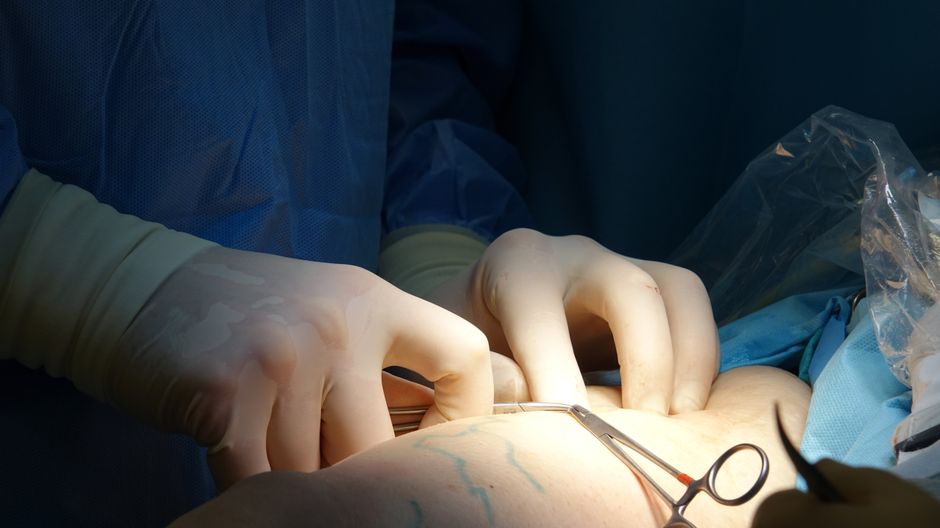
What Do Cellulite Surgery Before and After Photos Show?
Cellulite surgery photos show targeted dimples, not guaranteed removal of all cellulite or loose skin.
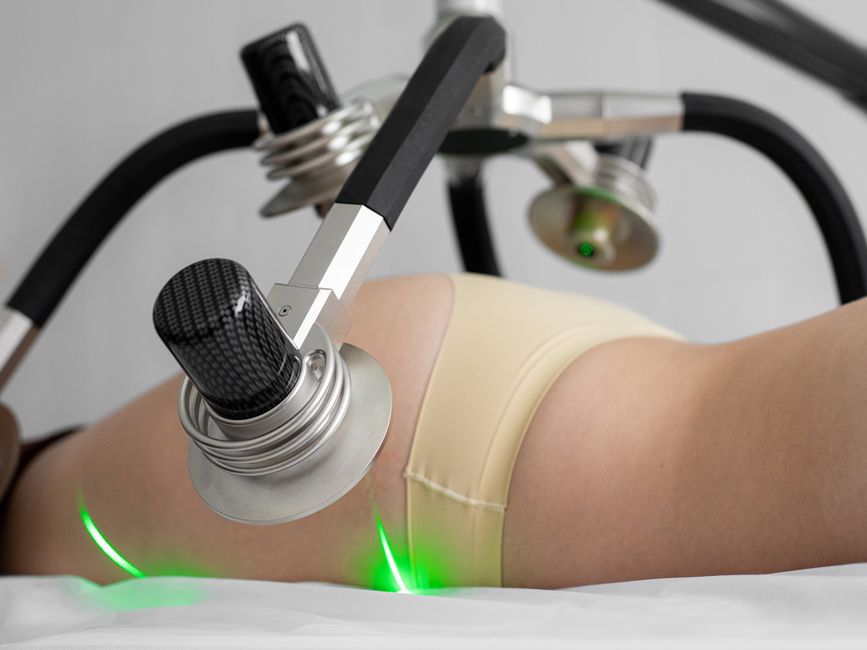
How Do Laser Liposuction Before and After Photos Compare?
Laser liposuction photos are most useful when timing, pose, lighting and treatment area match, since swelling can hide results for months.

Thread Face Lift Before and After: What Should You Look For?
Thread face lift before-and-after photos need matched conditions and healing stages; early swelling can mislead, and long-term evidence is limited.

Can a Police Chaplain Badge Give You Access or Authority?
Learn what a law-enforcement chaplain badge identifies, when it may permit scene access, and why it does not grant police powers.