
What Do Cellulite Surgery Before and After Photos Show?
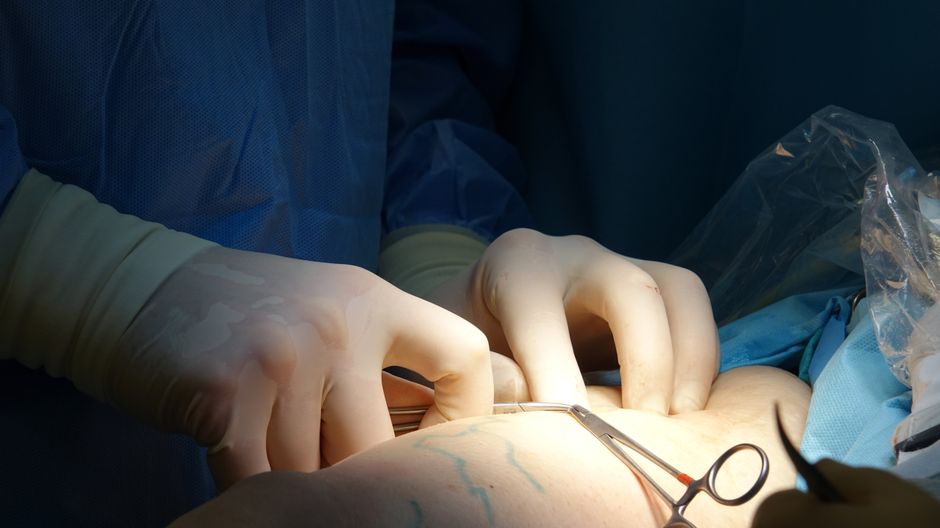
Cellulite surgery before and after photos can show whether targeted dimples softened, but they do not prove that every type of cellulite or loose skin will improve. Compare images with the same pose, lighting, angle, and time since treatment. Avéli study results were assessed at three months; bruising can obscure early changes, and candidacy affects how closely published results apply.
Can you get rid of cellulite with surgery?
Subcision can reduce selected dimples by releasing the tough bands beneath the skin, but it does not remove every cause or appearance of cellulite. The American Academy of Dermatology explains that cellulite differs from fat: fat-removal procedures often do not affect dimpling.
Avéli is a subcision procedure that targets the connective-tissue bands beneath depressions. The American Society of Plastic Surgeons distinguishes those dimples from loose or sagging skin: treating a dimple does not tighten lax skin. If a photo appears smoother, the result may reflect improvement in the depressions rather than a change in skin texture, fat fullness, or laxity.
Evidence has limits. The pivotal Avéli study was an open-label, single-arm study of 74 women aged 21–55 with moderate-to-severe cellulite on the buttocks and/or thighs and a BMI below 30. At 90 days, the 68-person effectiveness analysis showed a mean Cellulite Severity Scale improvement of 1.5 points; 80.9% were rated much or very much improved on the Global Aesthetic Improvement Scale. These results support improvement in selected patients, not a guaranteed result for every body or treatment area.
Photo comparisons work best when they answer one question: did the same visible depressions change? Look for matching stance, muscle tension, lighting, camera distance, and angle. Check the treatment date and follow-up interval too. Different photographic conditions can make contours appear more or less pronounced, and review literature identifies inconsistent photography and follow-up as limits on comparing treatment results.
What should cellulite surgery before-and-after photos look like at one month and three months?
At one month, photos can still show bruising or discoloration rather than the final contour; three-month images align more closely with the key Avéli study assessment. That timing matters when a gallery places an early image beside a later one without clearly labeling the dates.
In the pivotal study, bruising occurred in 86.8% of participants and lasted an average of 34.4 days. Tenderness averaged 19.9 days, while induration—firmness in the treated area—averaged 63.6 days. These are study averages, not a personal recovery forecast. The American Society of Plastic Surgeons also reports that bruising can last two to three weeks and that some patients return to normal activities within 24–48 hours; individual timelines vary.
| Photo timing | What to look for | What can cloud the comparison |
|---|---|---|
| About one month | Whether the same dimples are still visible, using matched pose and lighting | Bruising, discoloration, tenderness, or swelling during recovery |
| About three months | Change in the treated depressions, compared at the same angle and stance | Different photo setup, untreated areas, or remaining skin laxity |
The study reported that 95.6% of participants were assessed as improved at three months, while 80.9% were rated much or very much improved. Those figures use different levels of the improvement scale. A gallery should make the follow-up date clear so a reader does not mistake early recovery for the settled result.
For a useful comparison, ask whether the images show the same body position, lighting, camera angle, and distance, and whether the person flexed or shifted weight. Ask what was treated and whether other procedures were performed. The review of cellulite scales and imaging methods notes that photography, follow-up, and assessment methods vary across studies, which makes side-by-side claims harder to interpret.
Does Avéli work better on deep individual dimples or widespread cellulite?
Avéli-style subcision is better suited to distinct, deep dimples than to broad, generalized waviness. The American Society of Plastic Surgeons describes subcision as most effective for deep individual depressions on the buttocks and back of the thighs, and less effective for generalized waviness.
This distinction helps explain why two before-and-after galleries can look different even when both show cellulite treatment. A person with a few clear depressions has a target the procedure is designed to release. Diffuse unevenness, loose skin, or fullness involves concerns that subcision does not directly address.
The American Academy of Dermatology notes that loose skin after weight loss can make cellulite more noticeable, and extra weight can also make it more visible. That does not mean weight explains every dimple. It means the photo should be read in context: identify the treated depressions, then separate them from skin laxity and broader surface texture.
Ask a provider to identify which dimples are likely targets and which visible concerns would remain. Request photos of patients with similar anatomy and goals, as the plastic-surgery guidance recommends. A gallery of unusually favorable cases cannot establish how a different cellulite pattern will respond.
How long do bruising and swelling affect the appearance of results?
Bruising can affect appearance for weeks, and firmness can last longer, so a recent photo is not a clean measure of the final contour. In the Avéli study, bruising averaged 34.4 days, tenderness 19.9 days, and induration 63.6 days.
These recovery effects complicate early comparisons. A dark mark can draw attention away from a depression; swelling or firmness can alter the contour around it. The ASPS account reports a shorter bruising range of two to three weeks, showing why study averages and general clinical descriptions should be presented as ranges of experience rather than fixed deadlines.
When reviewing photos, treat the caption as part of the evidence. Confirm the time since treatment, whether the area was still bruised, and whether the same lighting and pose were used. If those details are missing, the image may still be illustrative, but it cannot support a precise comparison.
Cost and candidacy also shape the comparison. Consumer reporting places Avéli around $3,000–$7,000 depending on provider and treatment area. The Aesthetic Society says prices vary by surgeon, geography, treatment type, and the number and location of areas treated; cosmetic cellulite care is not covered by insurance. Request an itemized estimate and ask about experience and the plan for a disappointing result. Celebrity treatment claims, including claims about what a particular celebrity used, are not verified medical evidence in the sources available for this guide.
Frequently Asked Questions
Can cellulite surgery leave scars or make loose skin look worse?
Avéli uses small incisions, and a plastic-surgery source describes incisions of about one centimeter. The provided sources do not quantify scar rates. Subcision targets dimples rather than loose skin, so laxity can remain visible after treatment and should be discussed separately.
How much does cellulite surgery cost, and what affects the price?
Published consumer reporting places Avéli around $3,000–$7,000, depending on provider and treatment area. The Aesthetic Society says cost also varies by location, treatment type, and the number and location of areas treated; elective cellulite treatment is not covered by insurance. Ask for the full anticipated cost and assess provider training and experience alongside price.
What questions should I ask a surgeon before comparing their before-and-after photos?
Ask whether the pictured patients had similar anatomy, cellulite pattern, and goals, and when each photo was taken after treatment. Check that pose, lighting, and camera angle match, and ask about the provider’s experience, likely bruising, total cost, and the plan if the result disappoints you. The available sources do not establish a standard outcome for every patient.
What is stage 4 cellulite, and can surgery treat it?
There is no single standard “stage 4” definition in the reviewed literature: the Nürnberger–Müller system uses grades 0–III, while other four-grade systems differ. Subcision is aimed at selected depressions, not every feature that a higher grade may describe. A clinician should assess the specific pattern and any skin laxity.
Sources
- Aesthetic Surgery Journal — Multicenter Pivotal Study of Targeted Verifiable Subcision (CONFFIRM)
- American Academy of Dermatology — Cellulite treatments: What really works?
- The Aesthetic Society — Cellulite Treatment: Associated Costs
- Aesthetic Surgery Journal — Comparison of Cellulite Severity Scales and Imaging Methods
- American Society of Plastic Surgeons — Battle of the bulge: What you can do about cellulite
- American Society of Plastic Surgeons — What is the best treatment for cellulite?
You may also like
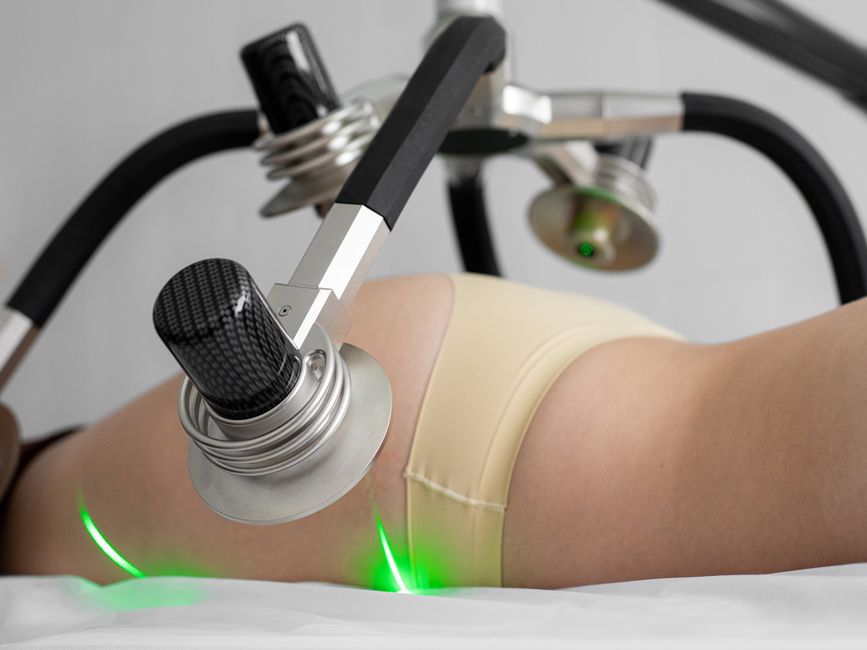
How Do Laser Liposuction Before and After Photos Compare?
Laser liposuction photos are most useful when timing, pose, lighting and treatment area match, since swelling can hide results for months.
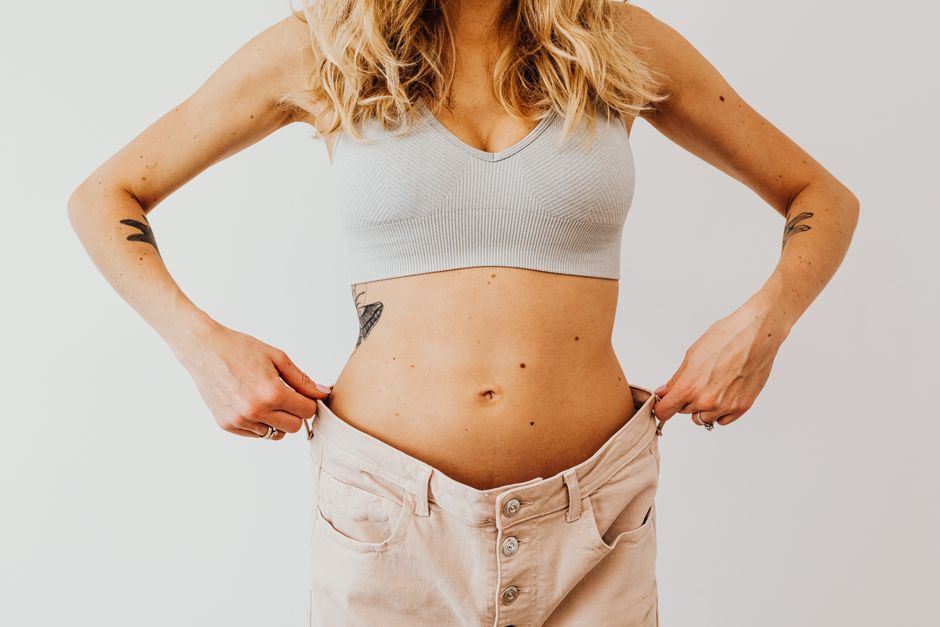
What Can Lipo 360 Before and After Without Tummy Tuck Look Like?
Lipo 360 without a tummy tuck can contour fat when skin contracts well, but it does not remove loose skin or repair separated muscles.
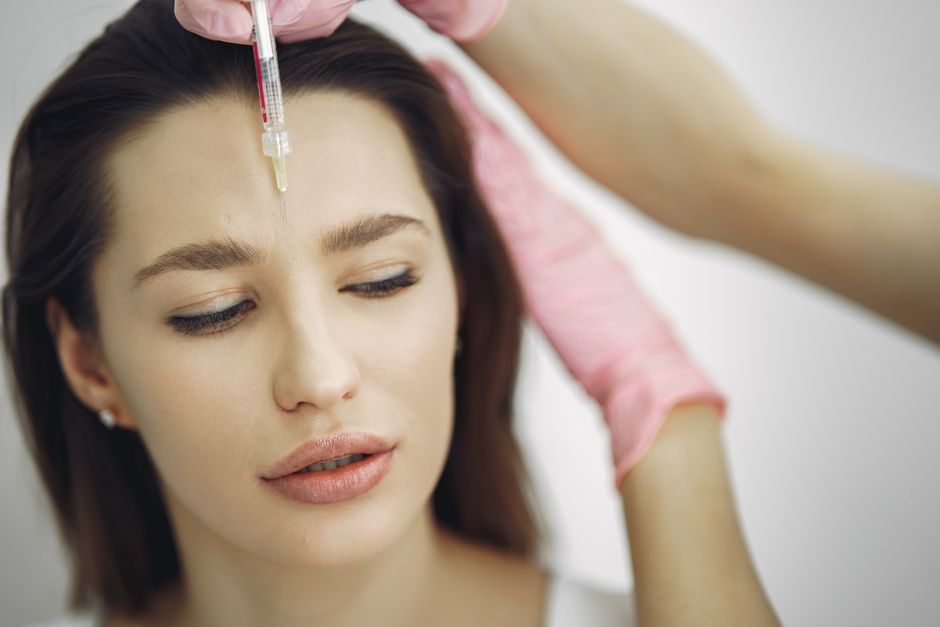
Thread Face Lift Before and After: What Should You Look For?
Thread face lift before-and-after photos need matched conditions and healing stages; early swelling can mislead, and long-term evidence is limited.

How Do I Choose a Modern Dress I Will Actually Wear?
Choose a trend-led 2026 dress with a practical test for fit, layers, styling, and expected wears so it becomes a repeat piece.