
Thread Face Lift Before and After: What Should You Look For?
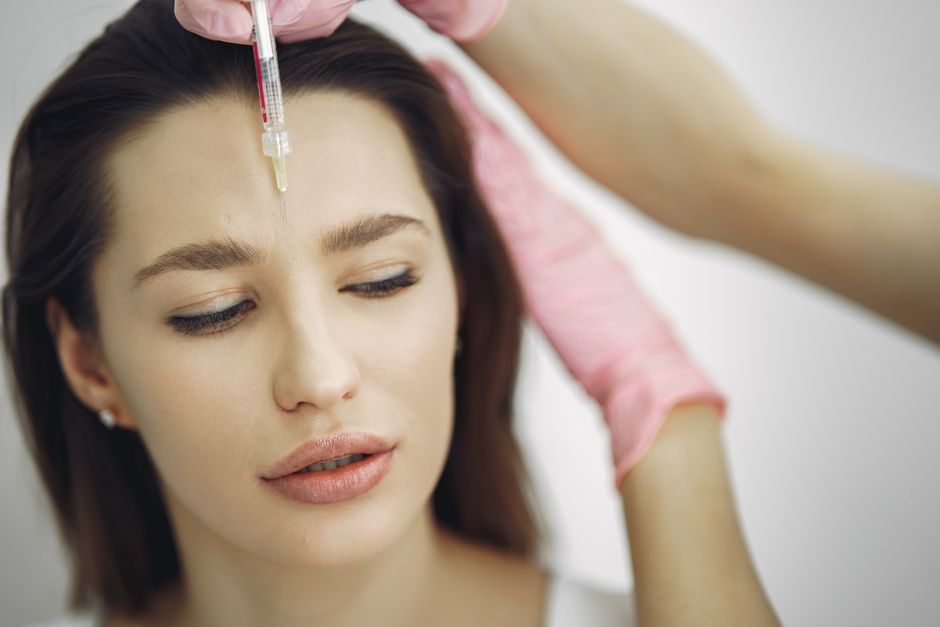
Thread face lift before and after photos show a modest lift and support, but an immediate image is not the settled result. Swelling, bruising, tissue tension, and temporary dimpling can change the look during healing. Compare photos taken at similar stages, with matching angles, lighting, expressions, and treatment areas; lasting effects vary, and research on long-term durability remains limited.
Can you show me pictures of before and after results of a thread lift?
Thread lift pictures can show the kind of change sought, but the sources provided here do not include a verified photo gallery to reproduce. A useful comparison shows the same person and treatment area in similar conditions, with follow-up timing stated. Without that context, a pair of images cannot tell you how much of the difference comes from the procedure or from the photograph.
A thread lift is described by the American Society of Plastic Surgeons as a procedure whose results become apparent after a few weeks. The society also notes swelling or bruising can occur and that final healing takes a few weeks. That makes an immediate “after” image a record of an early stage, not a dependable preview of the settled appearance.
Look for a restrained change in support rather than expecting a surgical transformation. The available reviews discuss facial rejuvenation and lifting but do not establish a universal degree of lift or a standard look across faces. Photos are most useful when they document a comparable area and give enough context to interpret the timing.
What should a thread lift look like immediately after treatment compared with a month later?
Immediately after treatment, a face can show swelling, bruising, tension, or dimpling; a month later, early healing effects have had time to settle, though timing differs by person. The American Society of Plastic Surgeons says most patients are presentable in 3–5 days, but final healing may take a few weeks. Presentable does not mean fully healed.
Research supports treating recovery photos as a sequence rather than a single before-and-after reveal. A systematic review in Dermatologic Surgery covered 59 articles and 14,222 patients, predominantly treated with barbed threads; it reported edema and bruising among common effects and said many adverse effects were transient and self-resolving. The review also noted exceptions, including contour irregularities, infection, inflammatory reactions, and vessel or gland injuries.
| Photo stage | What may affect appearance | How to read it |
|---|---|---|
| First few days | Swelling, bruising, tissue tension, and dimpling | Early healing can obscure the settled contour. |
| After a few weeks | Some healing effects may have eased; the result is becoming clearer | Compare with images from a similar stage, not with an immediate post-treatment image. |
| Several months and later | The lift’s visible effect and satisfaction can change over time | Long-term durability remains uncertain in the available reviews. |
The table is a comparison guide, not a fixed recovery schedule. The plastic surgeons’ society advises avoiding excessive force, abrasion, or motion in the treated area while healing. A photo cannot establish whether a particular symptom is normal; new or worsening concerns belong with the clinician who performed the treatment.
How can I tell whether before-and-after photos show a real lift or just different lighting and angles?
Check whether the photos match in camera angle, lighting, facial expression, treatment area, and follow-up timing before attributing a visible difference to a lift. If those conditions change, shadows and contours can change too. A dramatic difference between mismatched images is weaker evidence than a modest difference across carefully matched ones.
- Angle: Compare the same view and camera height. A turned head changes which contours are visible.
- Lighting: Look for similar light direction and strength. Side lighting can deepen shadows that flatter or sharpen facial contours.
- Expression: Match a relaxed face with a relaxed face. Smiling or tightening muscles alters the cheeks and eye area.
- Treatment area: Confirm that the same region is shown and that the image does not crop out relevant contours.
- Follow-up timing: Check when each image was taken. An early after-photo and a later after-photo represent different healing stages.
There is a second check: consistency. Captions that identify the treatment area and timing make a comparison easier to interpret. When that information is absent, the photo can still show appearance, but it cannot establish a settled result or its duration.
For another example of why image context matters, Dictsun’s guide to comparing laser liposuction before-and-after photos also focuses on reading matched images rather than judging a procedure from a single striking pair.
Is swelling or dimpling normal in thread lift recovery photos?
Swelling and dimpling appear in the published thread-lift literature, but a photo alone cannot determine whether a particular change is expected or needs review. In a meta-analysis of 26 studies, pooled reported complication rates were 35% for swelling and 10% for skin dimpling. These figures describe reported study outcomes; they do not predict what will happen to one person.
The same meta-analysis reported paresthesia at 6%, visible or palpable threads at 4%, infection at 2%, and thread extrusion at 2%. A separate systematic review notes that many adverse effects were transient and self-resolving, while contour irregularities and infections were among the exceptions. The studies do not make every instance of a symptom equally serious.
Contact the treating clinician about visible threads, worsening redness, or persistent contour changes, especially when a change is not settling. The PDO complications review describes swelling, bruising or hematoma, dimpling, contour irregularity, thread visibility or palpability, infection, and extrusion, and says concerning or persistent changes warrant clinician assessment. The safest reading is specific: temporary appearance changes can occur, but worsening or persistent symptoms should not be judged from photographs alone.
Reporting methods also vary. The PDO literature review says published reports group side effects inconsistently, which limits direct comparison of complication frequencies. A percentage from one pooled analysis is therefore context, not a personal forecast.
Frequently Asked Questions
How long does a face thread lift last, and when do results start to fade?
The American Society of Plastic Surgeons says results become apparent after a few weeks, while reviews find limited robust evidence on long-term durability. A meta-analysis reported lower pooled satisfaction at longer-term follow-up than immediately after treatment, so advertised longevity should not be read as a guaranteed timeline. The sources do not establish one reliable point when results start to fade.
Do thread lift results look different around the eyes, cheeks, and jawline?
The visible change depends on the area treated and the amount of tissue support or lift sought. The supplied evidence does not provide a reliable, area-by-area comparison of results around the eyes, cheeks, and jawline. Compare photos of the same treatment area rather than treating different regions as equivalent.
Why do plastic surgeons not like PDO threads?
The sources provided do not establish that plastic surgeons as a group dislike PDO threads. They do document possible effects such as swelling, dimpling, visible or palpable threads, infection, and extrusion, alongside limited evidence on durability. Those trade-offs support careful discussion of risks and uncertain longevity, not a blanket claim about surgeons’ views.
Which thread is best for a face lift, and does the thread type change the result?
The supplied reviews do not identify one thread type as best for every face or treatment goal. One meta-analysis found lower reported rates of paresthesia and extrusion with absorbable than non-absorbable threads, but those findings do not establish superior lifting results for an individual. Thread choice and expected outcomes need to be discussed with the treating clinician.
Sources
- American Society of Plastic Surgeons — Thread Lift Results
- Aesthetic Plastic Surgery — Meta-analysis and Systematic Review of Complications Following Facial Thread-Lifting
- Dermatologic Surgery — Safety Profile of Thread Lifts on the Face and Neck: An Evidence-Based Systematic Review
- Aesthetic Plastic Surgery — Percutaneous Thread Lift Facial Rejuvenation: Literature Review and Evidence-Based Analysis
- Journal of Education, Health and Sport — Complications after polydioxanone threads (PDO) for facial lifting: a literature review
Disclaimer: This article is for general information only and is not medical advice. It is not a substitute for diagnosis or treatment by a qualified healthcare professional. Always speak to your doctor before acting on anything you read here.
You may also like

What Can Lipo 360 Before and After Without Tummy Tuck Look Like?
Lipo 360 without a tummy tuck can contour fat when skin contracts well, but it does not remove loose skin or repair separated muscles.
What Do Cellulite Surgery Before and After Photos Show?
Cellulite surgery photos show targeted dimples, not guaranteed removal of all cellulite or loose skin.
How Do Laser Liposuction Before and After Photos Compare?
Laser liposuction photos are most useful when timing, pose, lighting and treatment area match, since swelling can hide results for months.
What Triggers AFib Episodes, and Do I Need to Avoid Coffee, Exercise, or Food?
An evidence-aware guide to finding personal AFib triggers without reflexively avoiding coffee, exercise, or everyday foods.