
Which vitamins that lower LDL should I take?
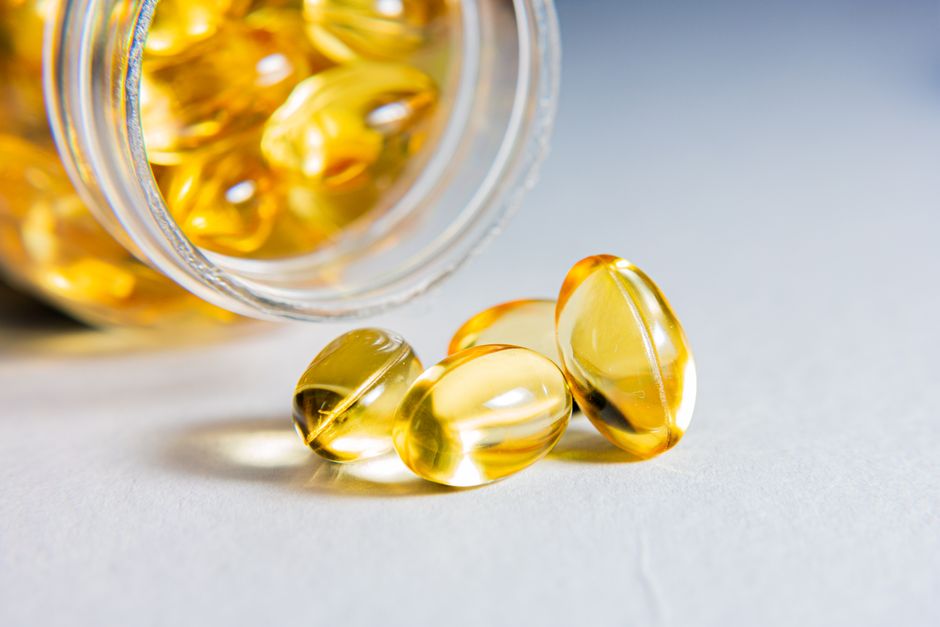
No vitamin has strong evidence as a reliable, proven way to lower LDL and prevent heart attacks or strokes. Prescription-dose niacin can lower LDL, but it has significant risks and did not reduce cardiovascular events when added to statins. Vitamin C and E have no consistent LDL benefit; CoQ10’s small lipid changes do not establish heart protection. Supplements should not replace clinician-guided treatment.
What vitamin should I take to lower LDL?
No vitamin has convincing evidence as a dependable LDL-lowering treatment that also prevents heart attacks or strokes. The options often described as “natural” differ: some show no consistent change in LDL, some show small changes in lipid measurements, and some contain drug-like compounds with drug-like risks.
Niacin, also called vitamin B3, is the clearest example of a compound that can lower LDL at pharmacologic doses. According to the NIH Office of Dietary Supplements, nicotinic acid at 1,000–3,000 mg per day can lower LDL by about 10%–25%. Those doses are far above nutritional requirements. Nicotinamide, or niacinamide, does not have the same lipid effects.
That lipid effect does not make niacin a proven substitute for established treatment. The American Heart Association’s account of the SPORT randomized study reports that six supplements, including fish oil, garlic, plant sterols and red yeast rice, had LDL changes comparable to placebo over 28 days. Rosuvastatin lowered LDL by an average of 37.9% in that study. Its short duration limits conclusions about longer use, but it offers a direct comparison: a supplement label does not establish an LDL benefit.
| Option | What the evidence says | Key limit |
|---|---|---|
| Nicotinic acid (niacin) | Can lower LDL at high, pharmacologic doses | Risks; no added cardiovascular benefit shown with statins |
| Vitamin C | No significant overall lipid change in a meta-analysis | Some subgroup findings do not establish broad benefit |
| Vitamin E | No significant pooled effect on LDL, HDL or total cholesterol | Large trials generally did not show cardiovascular benefit |
| CoQ10 | Small average lipid changes in a meta-analysis | Heterogeneity; no proof of fewer heart attacks or strokes |
| Red yeast rice | Some products contain a statin-like compound | Variable contents, interactions and safety concerns |
Does niacin lower LDL, and is an over-the-counter dose enough?
High-dose nicotinic acid lowers LDL, but the evidence does not support taking it as an add-on to statin therapy to prevent cardiovascular events. Ordinary nutritional amounts are not equivalent to the high doses used in lipid trials. The NIH fact sheet distinguishes nicotinic acid from niacinamide: the latter does not produce the same lipid effects.
The scale of the dose and the trade-off matter. The NIH reports that pharmacologic-dose niacin can also lower triglycerides by 20%–50% and raise HDL by 10%–30%, but high doses can cause flushing, impaired glucose tolerance, gastrointestinal effects and liver toxicity. Extended-release forms are more likely to cause liver injury.
In the 25,673-person statin-treated trial summarized by NIH, 2 g per day of extended-release niacin lowered LDL by an average of 10 mg/dL and triglycerides by 33 mg/dL over a median follow-up of four years, but did not significantly reduce major vascular events. The National Heart, Lung, and Blood Institute’s AIM-HIGH summary reports a similar distinction: adding high-dose niacin raised HDL as expected but did not reduce cardiovascular events. It also recorded a higher ischemic stroke rate in the niacin group; the overall stroke frequency was below 1%, and the significance of that finding was uncertain.
These results separate two questions that are often treated as one: does a substance change a cholesterol number, and does it lower the chance of a serious event? In the niacin trials, the first answer was yes for some lipid measures; the second was no for added treatment with statins. The societies do not recommend niacin as an add-on drug to statin therapy.
Can vitamin C or vitamin E lower LDL cholesterol?
Neither vitamin has a consistent overall LDL-lowering effect in the evidence provided. A meta-analysis in Clinical Nutrition found that vitamin C supplementation did not significantly change blood lipids overall. It reported lower LDL among healthy participants and lower total cholesterol among younger participants in subgroup analyses, but those findings apply to particular groups and do not establish a general effect.
The AHRQ evidence report hosted by the National Library of Medicine reviewed 144 controlled trials. Its pooled analysis found no significant effect of vitamin E, alone or combined with other antioxidants, on total, LDL or HDL cholesterol. Large vitamin E trials generally did not show cardiovascular outcome benefits; large studies of vitamin C combined with other antioxidants reported no favorable cardiovascular outcomes.
LDL oxidation is another claim sometimes attached to antioxidant supplements. A proposed effect on oxidation is not the same as lowering the amount of LDL in blood, and neither measure alone proves fewer heart attacks or strokes. For practical comparison, the evidence here does not support vitamin C or E as a reliable route to lower LDL.
How quickly can vitamins or supplements lower LDL?
There is no reliable timeline for vitamins to lower LDL because most do not have a consistent, established effect. The SPORT study measured changes after 28 days, but the American Heart Association notes that its duration cannot establish whether some supplements need longer to affect cholesterol. A short trial result is not a promise of a personal response.
For statin treatment, the American College of Cardiology guideline recommends checking adherence and LDL response with a repeat lipid measurement 4–12 weeks after starting or adjusting treatment, then every 3–12 months as needed. The guideline also describes high-intensity or maximally tolerated statin therapy for people with clinical atherosclerotic cardiovascular disease, aiming for at least a 50% LDL-C reduction. Treatment decisions depend on cardiovascular risk and clinician guidance.
Red yeast rice is not a predictable shortcut. The National Center for Complementary and Integrative Health explains that some products contain monacolin K, chemically identical to lovastatin, while the amount varies widely and consumers generally cannot determine it from the label. Products with more than trace amounts are considered unapproved drugs by the FDA; risks include muscle injury, liver toxicity and, in some products, citrinin associated with kidney harm.
For people taking a statin, this is a reason to review supplements with a clinician or pharmacist before adding them. A supplement may duplicate a drug effect, interact with treatment, or add side effects without evidence of a better outcome. Prescribed treatment should not be stopped or changed based on a supplement claim; the NHLBI advises discussing prescribed treatment with a clinician before making changes.
Frequently Asked Questions
Can CoQ10 lower cholesterol or triglycerides?
A 2022 meta-analysis of 50 randomized trials and 2,794 participants found modest average reductions in LDL and triglycerides. The authors also reported substantial variation between studies, which limits confidence about how consistently the small changes apply. The analysis measured lipid levels; it did not establish that CoQ10 prevents heart attacks or strokes.
What supplements should I avoid if I take a statin?
Red yeast rice deserves particular caution because some products contain monacolin K, chemically identical to lovastatin, and can cause similar side effects and drug interactions. Its amount varies widely and labels do not reliably reveal it. Discuss supplements with a clinician or pharmacist before combining them with a statin.
Do vitamins lower heart attack risk, or just change cholesterol numbers?
A change in LDL or triglycerides does not by itself prove fewer heart attacks or strokes. The niacin trials described here lowered some lipid measures without reducing cardiovascular events when niacin was added to statin treatment. Vitamin E evidence also did not show cardiovascular outcome benefits in the large trials reviewed.
Sources
- National Institutes of Health Office of Dietary Supplements — Niacin: Health Professional Fact Sheet
- National Heart, Lung, and Blood Institute — AIM-HIGH Study Questions and Answers
- American Heart Association — Supplements and cholesterol comparison
- AHRQ Evidence Report — Supplemental antioxidants and CoQ10
- Clinical Nutrition — Vitamin C and blood lipids meta-analysis
- National Center for Complementary and Integrative Health — Red Yeast Rice
- PubMed — CoQ10 supplementation and lipid profiles meta-analysis
- American College of Cardiology — 2018 Guideline on the Management of Blood Cholesterol
Disclaimer: This article is for general information only and is not medical advice. It is not a substitute for diagnosis or treatment by a qualified healthcare professional. Always speak to your doctor before acting on anything you read here.
You may also like
Which Vitamins That Lower Blood Sugar Actually Work?
No vitamin is proven to reliably lower blood sugar; evidence for vitamin D and magnesium is limited and supplements can interact with medicines.
Which vitamins that lower cortisol actually work?
No vitamin is proven to lower cortisol for everyone; research suggests deficiency status and context matter.

How Do I Choose a Modern Dress I Will Actually Wear?
Choose a trend-led 2026 dress with a practical test for fit, layers, styling, and expected wears so it becomes a repeat piece.

Clearance Jewelry: Buy Better Pieces Without Paying Full Price
A practical clearance-jewelry guide to material marks, durability, skin concerns, and return terms before you buy.